

Alpine Hearths, Adriatic Air
Step inside a guide to designing natural homes where mountain hearths meet coastal currents, blending tactile Alpine warmth with the breezy clarity of the Adriatic to craft sustainable interiors that breathe. We’ll share practical strategies, material wisdom, and stories you can apply today. Join the conversation, ask questions, and subscribe for fresh insights shaped by real homes and changing seasons.
Elemental Materials, Honest Finishes
Natural choices steer performance and feeling: locally sourced timber, alpine stone, Adriatic limestone, limewash, clay plasters, and wool create breathable layers that regulate moisture, store heat, and age beautifully. By prioritizing low-tox binders, repairable assemblies, and regional supply chains, you secure comfort with a light footprint. Touch becomes guidance, and every surface quietly supports health, acoustics, and longevity.

Timber and Wool That Hold Heat Gently
Choose larch, spruce, or FSC-certified fir finished with plant oils, paired with sheep’s wool insulation that buffers humidity while trapping air. Felted throws, dense curtains, and solid wood frames soften echoes and winter drafts. Test samples for scent and sheen, confirm VOC data, and honor repairable joinery that can be tightened, relubricated, and cherished for decades.

Limestone, Limewash, and the Breath of Salt
Adriatic limestone floors and limewashed walls moderate temperature through mass and high reflectance, brightening rooms without glare. Lime’s capillary action moves moisture safely, resisting coastal humidity and mountain thaw cycles. Use mineral pigments, ample curing time, and gentle maintenance, letting carbonation harden finishes that breathe, heal hairline marks, and welcome sea-scented breezes without trapping dampness.

Recycled Glass, Metal, and Responsible Adhesives
Consider terrazzo with recycled glass aggregate, powder-coated aluminum for salty air, and mechanical fasteners that allow disassembly. Specify low-emission adhesives only where unavoidable, and track Environmental Product Declarations. Prefinish components off-site, reduce waste with precise takeoffs, and design access panels so plumbing, wiring, and window hardware remain serviceable as stewardship, not demolition, guides future changes.
Comfort by Climate Intelligence
Design for mountain sun and maritime wind together: capture low winter rays, shade high summer glare, and channel cross-breezes through generous apertures and stack ventilation. Combine airtight envelopes with breathable finishes, balancing infiltration control and vapor movement. Model scenarios, mock up operable elements, and teach daily window choreography so comfort arises from rhythms, not machines alone.
Sun Angles, Eaves, and High-Altitude Glazing
Orient primary glazing within passive-solar ranges, selecting SHGC strategically by facade. Deep eaves and exterior blinds temper summer peaks while admitting winter bounty. Use insulated frames, warm-edge spacers, and selective coatings, then verify with infrared scans during the first cold snap to fine-tune seals, gaskets, and sash tension for whisper-quiet, condensation-free performance.
Breezeways, Courtyards, and Stack Ventilation
Shape breezeways aligned with prevailing winds, sheltered courtyards that calm gusts, and tall clerestory vents that draw air upward. Specify insect screens, salt-tolerant hardware, and closable baffles for storms. Test smoke pens to visualize flow, balance pressure with undercut doors, and choreograph openings so daytime bustle cools naturally while nights settle into restorative stillness.
Thermal Mass Meets Natural Insulation
Anchor heat swings with stone or earthen floors, clay plasters, and thick interior masonry where appropriate, then wrap exteriors with wool, wood fiber, or cellulose. Consider phase-change materials in lightweight rooms. Coordinate dew-point control, ventilating rainscreens, and airtight tapes, ensuring assemblies dry safely whether snow melts outside or sea fog drifts indoors by morning.
Morning Light Rituals and Window Dressings
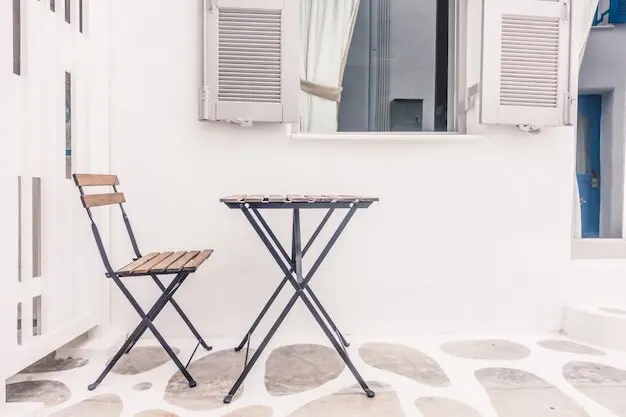
Sheer linen filters coastal brilliance while wool blends temper alpine glare; exterior shutters pivot to trace sun arcs. Position breakfast nooks where first light lands, tame reflections with matte glazes, and protect views with minimal mullions. Calibrate translucency, layer privacy, and let circadian rhythms guide color temperature choices for harmony from dawn onward.
A Palette Mixed from Shoreline and Fir
Blend ultramarine, green earth, iron oxide, and chalk to echo water, leaf, bark, and snow. Sample on primed boards beside natural materials, observing shifts from misty mornings to sunlit afternoons. Avoid saturation fatigue; distribute intensity through ceramics, artwork, and cushions so permanence rests in calm backdrops and the eye travels without strain.
Crafted for Lifetimes

Heirloom Tables with Modular Minds
Design trestle tables that knock down for coastal moves yet anchor winter feasts, with replaceable tops and standardized fasteners. Choose FSC ash or oak, stabilized against humidity swings. Publish exploded diagrams for future makers, invite scratches to become stories, and refinish surfaces when needed, celebrating longevity as a visible, teachable, convivial household value.

Woven Stories in Wool, Linen, and Cane
Support handloom communities producing wool blankets for alpine nights and linen sheers for midday oceanside calm. Mix textures to manage acoustics and temperature, and favor plant-based dyes. Cane and rush seats breathe through humidity shifts, and natural finishes allow renewal, keeping comfort tactile, repairable, and biodegradable long after trends fade from memory.

Indoor–Outdoor Pieces That Weather Gracefully
Select teak, chestnut, or thermally modified ash for terraces, finished with breathable oils that can be refreshed each spring. Use marine-grade fasteners and breathable covers. Salt-spray test hardware, expect silvering and patina, and design cushions with removable, washable covers so seaside dinners and snowy breakfasts share the same faithful, evolving companions.
A Cabin That Breathes Both Mountain and Sea
In a rocky saddle above olives yet below snowline, we completed a compact home that drinks sun in January and inhales breezes in July. Local stone meets split larch, limewash brightens shadows, and wool warms benches. Data loggers verified comfort with minimal energy. Neighbors noticed quieter rooms, fewer drafts, and gatherings that lingered happily.
We mapped bora winds with ribbons, traced winter shadows with stakes, and positioned the long facade toward low sun. Roof planes harvest rain into a buried cistern, while bioswales slow runoff. Greywater feeds olives and rosemary, so every storm, thaw, and morning mist contributes to comfort, fragrance, and resilience without burdening municipal systems.
Straw-clay partitions bank warmth beside triple-glazed windows with ventilating frames. Exterior lime plaster shrugs off salt and snow, leaving interiors fresh. When a storm cracked a sill, a mason returned with trowel and stories, repairing gracefully by evening. Maintenance becomes narrative, proving durability is about people, tools, and time, not only specifications or warranties.
After the first year, heating demand halved compared to neighbors, while summer comfort held within natural bands. Electricity bills shrank, and morning coffee migrated to the breeziest corner. Children tracked stars from the porch, guests napped on wool benches, and conversations stretched, proof that measured metrics and quiet joy can, wonderfully, coincide.

Living the Quiet Ecology
The house thrives when people participate: opening high windows before dawn, closing shutters at noon, layering wool throws after sunset, and cooking with lids to spare humidity. Maintenance checklists feel like rituals, not chores. Share your questions, post photos, and subscribe for seasonal reminders, workshops, and stories that help practice comfort without excess.

Daily Practices That Tune the House
Adopt a morning flush when air is coolest, then shade strategically as sun climbs, releasing trapped heat again at dusk. Dry herbs near vents, simmer stews with lids, and mind bathroom fans. Pair hygrometers and CO2 sensors with intuition, learning how snowbanks, tides, and gatherings alter acoustics, smells, and comfort throughout dynamic days.

Care, Patina, and Longevity
Refresh soap-finished wood with a slow rub rather than stripping; reapply limewash thinly, allowing open windows to speed curing. Spot-clean wool with cold water and patience. Log dates, materials, and vendors. Forgo harsh solvents, celebrating patina as collaboration between use and time, where beauty deepens as upkeep becomes shared, almost meditative, practice.
All Rights Reserved.